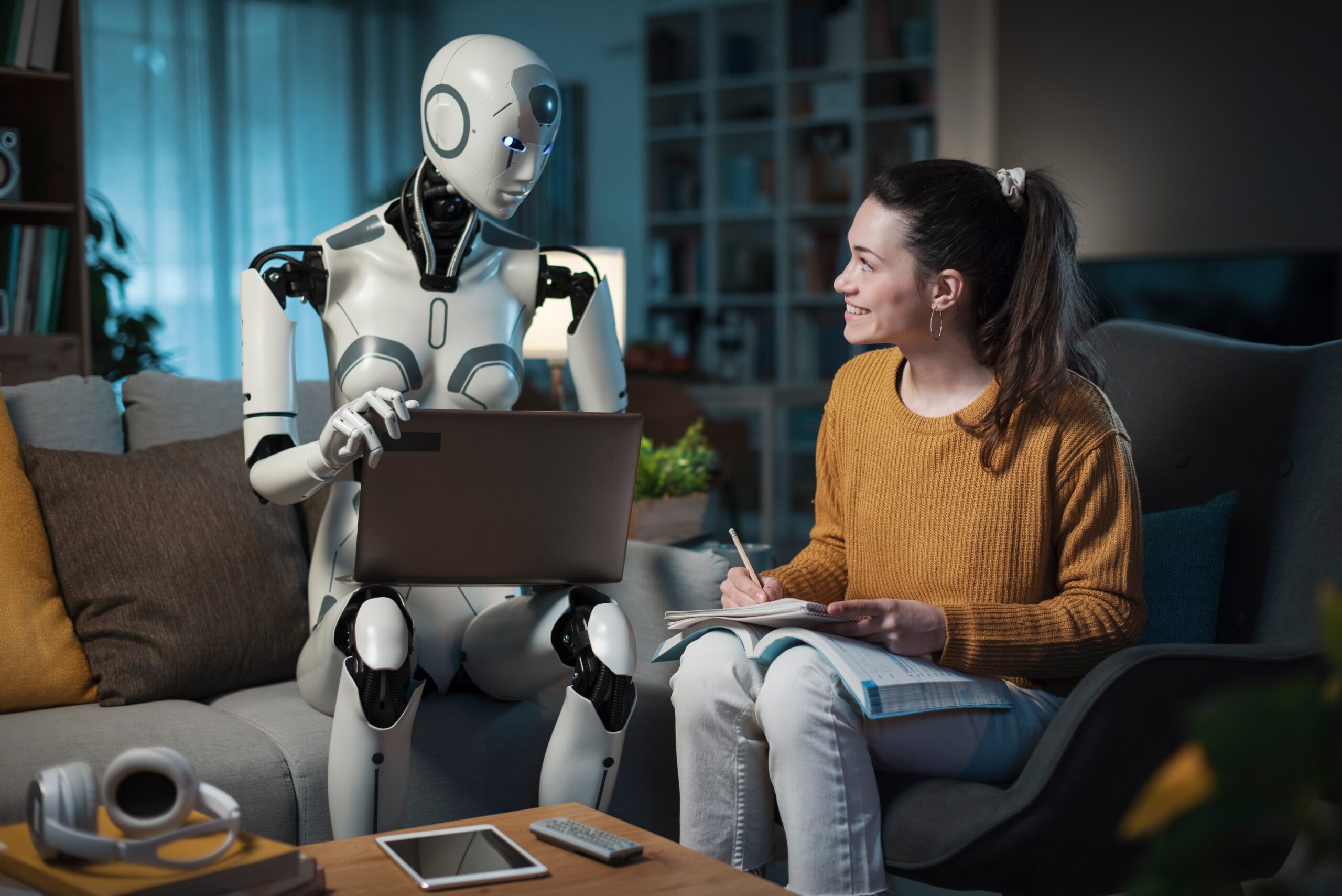

Not long ago, advice came from people. A parent, neighbour, mentor. trusted friend, faith leader, teacher, partner, counsellor and the list can go on. Today, more people are turning to artificial intelligence. They ask questions they may never ask another human being. How do I know if my marriage is over? Why don’t I feel appreciated? How do I interpret my partner’s actions or words? Why are my children estranged? How do I respond to a text from my son or daughter? What do I do next? Should I or should I not?
The rise of AI has been remarkable for many reasons, but perhaps the most surprising is not its ability to write reports, generate images, or summarize meetings. It is our willingness to talk to it about our deepest fears, insecurities, and hopes. What does it say about technology or more importantly what does it say about us as humans?
Human relationships are messy and we almost all have a desperate desire to be heard without being judged. People listeners interrupt, they take sides, they become impatient, they start to intrude and meddle in areas we are not asking them to enter. Sometimes they make us feel worse rather than better. They may not be available. AI is different. In a world of immediacy, where people are trying to find someone who will truly listen, the ability to type a question and receive a prompt response can be so overwhelmingly comforting. It provides a speedy release.
It is available at three in the morning or at eleven at night. It does not roll its eyes. It does not tell your family. It does not become exhausted by your questions. It does not see you as a loser and can feel like an endlessly patient companion. So, the appeal of a machine friend that never Judges is here to stay but should we confuse the bridge with the destination?
At the heart of the human experience is physical presence. A hug after bad news, a hand on a shoulder, a human touch or voice when you are going through a bad situation. Eye contact which can help you laugh or cry together. A friend who remembers how you responded to a situation month or years ago, someone who can relive the essence of shared experiences with you without saying a word. The most meaningful relationships do not simply answer our questions. They help carry our burdens and joys. Family gatherings, neighbourhoods, community halls, places of worship, clubs and workplaces provide opportunities to collectively process turbulence, trial and triumph. They help elevate the human spirit.
These informal supports have weakened over time. People move more frequently. Families are geographically dispersed. Work has become increasingly virtual. Community participation has declined in many places. As these traditional spaces shrink, AI is stepping up to make some valuable contributions. It can offer perspective. It can help people think through options. It can encourage self-reflection. But Algorithms can not fully satisfy what humans can. AI cannot fully experience life alongside us. Relationships can not be built on information alone; they are mutual and based on shared history, shared vulnerability, shared trust built over time. The human opportunity remains in using AI as a beautiful bridge to make the right connections and not to use it as a destination. It can help us point towards each other but should not replace each other.
The question for our generation is not whether AI can become more human. It is whether it is going to make us less so.
Midpointe Question for Readers:
Have you ever asked AI a question that you would normally ask a friend, mentor, or family member? What made that feel easier?